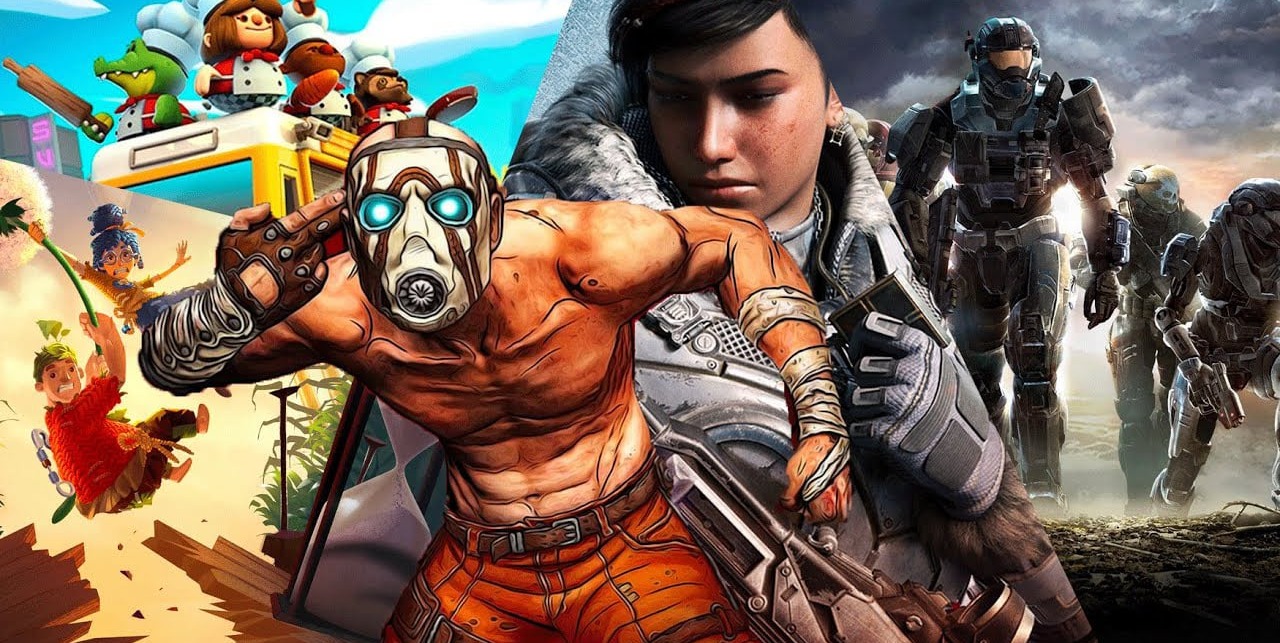
Multiplayer Games With Friends Guide
Playing co-op games today has become one of the most accessible ways to enjoy games with friends, especially as multiplayer games continue to evolve into flexible digital spaces where interaction is constant and meaningful. In this context, team play is not just a mechanic but a guiding principle that shapes how people approach challenges together. When players enter co-op games, they are not only engaging with systems but also with games with friends as a shared experience, where multiplayer games provide structure and team play defines the quality of interaction and cooperation from the very beginning of each session.
Understanding how co-op games work in everyday games with friends helps players appreciate the deeper rhythm of multiplayer games beyond simple objectives. Many situations in team play require awareness of others’ actions, timing, and communication, which naturally develops through repeated sessions. In co-op games, games with friends often become a space where learning happens gradually, and multiplayer games encourage adaptation rather than rigid strategies. Team play grows stronger as players begin to recognize patterns, anticipate decisions, and adjust their behavior in response to shared goals within co-op games.
Another important aspect of co-op games in games with friends is how multiplayer games create different levels of engagement depending on group dynamics. Some sessions focus on relaxed exploration, while others emphasize structured team play with clear objectives. In both cases, co-op games allow flexibility that makes games with friends enjoyable across different moods and skill levels. Multiplayer games support this variation by offering systems that respond to cooperation, while team play ensures that even simple interactions feel connected and purposeful throughout co-op games sessions.
Communication is one of the core elements that defines co-op games in games with friends, especially when multiplayer games require quick decision-making and adaptation. Team play often depends on how effectively players exchange information, whether through voice, text, or intuitive understanding built over time. In co-op games, games with friends develop their own communication styles, and multiplayer games become a platform where these styles evolve naturally. Team play becomes smoother as familiarity increases, allowing co-op games to transform casual interaction into coordinated action within games with friends environments.
Over time, co-op games in games with friends create long-term patterns of interaction that extend beyond individual sessions of multiplayer games. Players begin to form habits of team play that persist across different scenarios, making cooperation more efficient and intuitive. In co-op games, games with friends often rely on shared history, which strengthens trust and reduces the need for constant explanation. Multiplayer games provide the environment, but team play shapes the experience, turning repeated co-op games sessions into a continuous social thread within games with friends communities.
Ultimately, co-op games remain one of the most effective ways to experience games with friends in a meaningful and interactive format, especially as multiplayer games continue to expand in complexity and accessibility. Team play acts as the foundation that connects players, allowing co-op games to function as both entertainment and communication space. In games with friends, multiplayer games become more than digital activities, and team play transforms them into shared experiences that grow richer over time, reinforcing the importance of cooperation in every co-op games session.