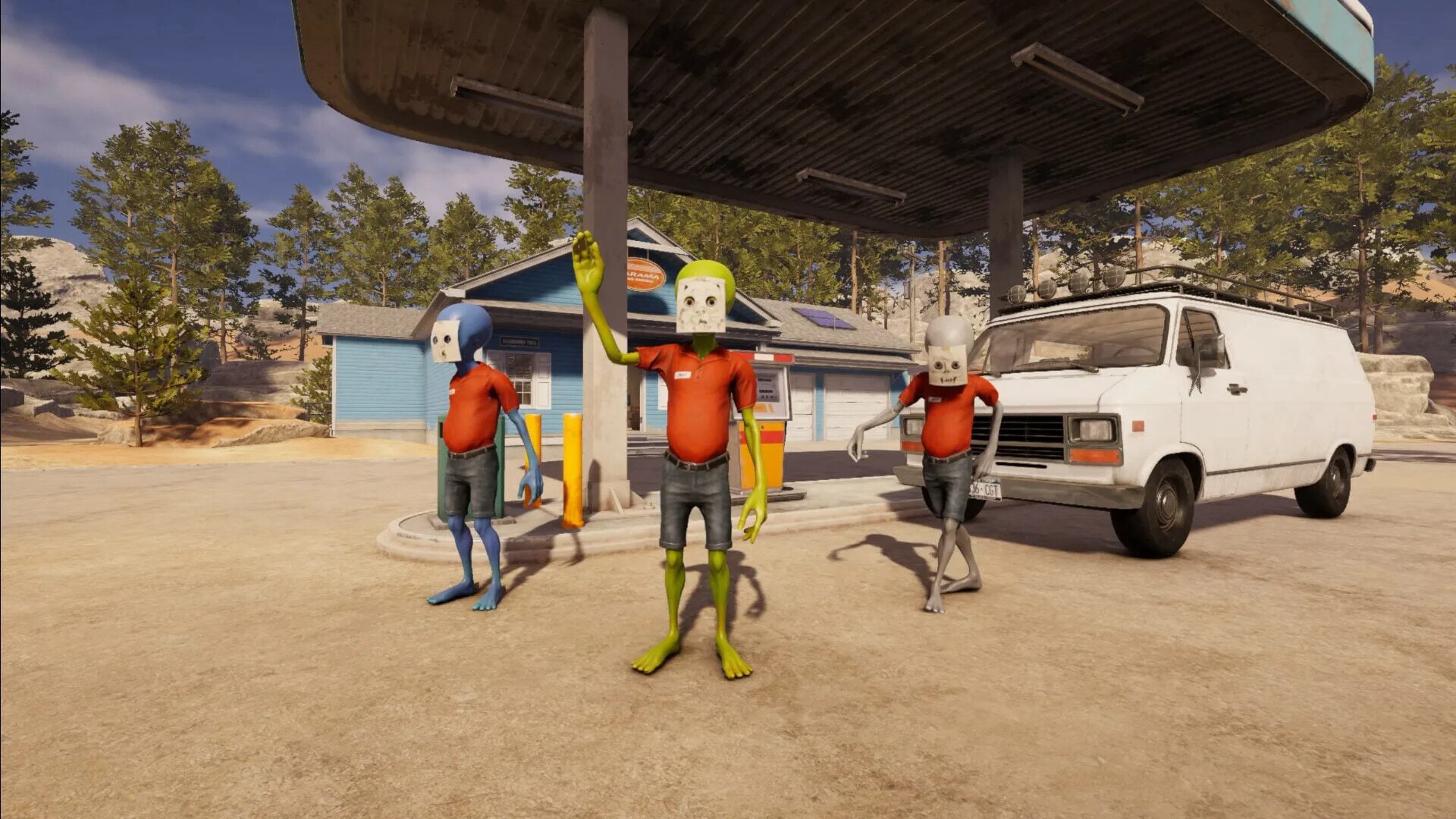
Co-Op Games Social Dynamics
Co-op games have become one of the most interesting ways people experience digital interaction, especially when it comes to games with friends in everyday life. In Brasil and many other regions, multiplayer games are no longer just about competition but about shared time, coordination, and communication. Within this context, team play becomes the central element that defines how players interact and build temporary but meaningful social structures during gameplay sessions.
One of the most noticeable aspects of co-op games is how naturally they encourage communication. When people engage in games with friends, they often develop unspoken habits and roles without planning them in advance. Multiplayer games provide the structure, but it is team play that fills it with human behavior, adaptation, and response. Even simple tasks inside co-op games can turn into complex coordination moments where trust and timing matter more than individual skill.
Over time, games with friends evolve into something more stable than occasional entertainment. They become recurring social environments where multiplayer games act as a shared space for interaction. In these spaces, co-op games allow players to experiment with different approaches to team play, whether through leadership, support roles, or flexible adaptation. Each session contributes to a broader understanding of how people behave when working together under light pressure or shared objectives.
Team play in multiplayer games also reveals how communication styles differ between individuals. Some players are direct, while others prefer observation before acting, and co-op games naturally accommodate both approaches. In games with friends, these differences become part of the experience rather than a barrier. The structure of multiplayer games supports gradual synchronization, where team play improves through repetition and familiarity rather than formal instruction.
Another important dimension of co-op games is emotional response. Games with friends often create shared reactions to success and failure, which strengthens the sense of participation. Multiplayer games amplify these emotions because outcomes are collective rather than individual. Team play, in this sense, becomes not only a mechanic but also a shared emotional rhythm that defines the session. Whether players succeed or fail, co-op games ensure that the experience is distributed across all participants.
In Brasil, as in many other places, games with friends often serve as a regular way to maintain social contact. Multiplayer games fit naturally into this role because they do not require physical presence. Co-op games allow people to stay connected through structured interaction, while team play ensures that everyone contributes to the shared activity. Over time, these interactions build familiarity that extends beyond the game itself.
The dynamics of co-op games also highlight how flexible multiplayer games can be as social tools. Unlike traditional forms of interaction, games with friends offer an environment where communication is continuous but goal-oriented. Team play provides direction, while co-op games provide the space for experimentation. This balance allows players to shift between casual interaction and focused cooperation depending on the situation.
Ultimately, multiplayer games shaped by co-op games create a unique social structure where games with friends become more than entertainment. They become a consistent form of digital gathering where team play defines interaction quality and group identity. Over time, these patterns form a subtle but meaningful layer of modern communication, where co-op games act as a bridge between play and connection, and multiplayer games continue to evolve as shared social environments built around cooperation and trust.